
A highly engaged workforce isn’t just a desirable outcome; it’s the cornerstone of a thriving organization. Employee engagement, extending beyond simple job satisfaction, fuels productivity, innovation, and customer loyalty. This exploration delves into the multifaceted benefits of cultivating a deeply engaged team, examining its impact across various organizational facets.
From quantifiable improvements in productivity and reduced turnover costs to the intangible benefits of a positive work environment and enhanced customer relationships, the advantages are compelling. We’ll examine practical strategies for fostering engagement, explore effective measurement techniques, and highlight the crucial role of leadership in this transformative process.
Defining Employee Engagement
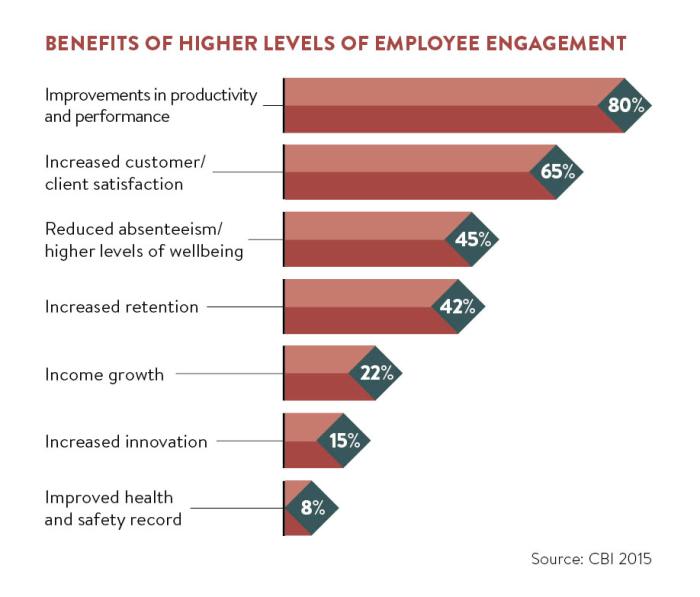
Employee engagement is a multifaceted concept that goes beyond simple job satisfaction or motivation. It represents the emotional commitment an employee has to their organization and its goals. Highly engaged employees are not merely doing their jobs; they’re invested in their work, their team’s success, and the overall prosperity of the company. Understanding the nuances of engagement is crucial for fostering a productive and thriving workplace.Employee engagement differs significantly from job satisfaction and motivation.
Job satisfaction refers to an employee’s contentment with their work environment, compensation, and benefits. Motivation, on the other hand, is the drive to achieve specific goals. While these factors contribute to engagement, they don’t fully encompass its depth. A satisfied and motivated employee might still lack the emotional connection and commitment that define true engagement. Engagement involves a deeper level of psychological investment, a sense of ownership, and a willingness to go the extra mile.
Observable Behaviors Indicative of High Employee Engagement
Highly engaged employees demonstrate a range of observable behaviors. These actions provide clear indicators of their commitment and involvement within the organization. Identifying these behaviors is essential for managers and HR professionals to gauge the overall engagement level of their workforce.
- Proactive Problem-Solving: Engaged employees actively seek out challenges and solutions, often going beyond their assigned tasks to improve processes and outcomes.
- Increased Productivity and Quality of Work: Their dedication translates into higher output and consistently superior work quality.
- Stronger Collaboration and Teamwork: They readily collaborate with colleagues, sharing knowledge and supporting team efforts.
- Positive Attitude and Enthusiasm: They exhibit a positive outlook and a genuine enthusiasm for their work and the organization.
- Lower Absenteeism and Turnover: Their commitment reduces instances of absenteeism and minimizes the risk of employee turnover.
- Open Communication and Feedback: They actively participate in discussions, offering constructive feedback and readily sharing their ideas.
- Advocacy for the Organization: They act as ambassadors for the company, promoting its values and achievements both internally and externally.
A Model for Assessing Employee Engagement Levels
Numerous models exist for assessing employee engagement, each with its own strengths and weaknesses. A common approach involves utilizing employee surveys, coupled with qualitative data gathering such as focus groups and one-on-one interviews. These methods provide a comprehensive picture of employee sentiment and identify areas for improvement. The survey might include questions related to job satisfaction, work-life balance, opportunities for growth, recognition, and management support.
Focus groups offer a platform for employees to openly express their views and concerns, while individual interviews provide deeper insights into specific situations. Analyzing the data from these multiple sources allows for a more holistic and accurate assessment of employee engagement levels. The results can then be used to develop targeted strategies to enhance engagement across the organization.
For example, if surveys reveal low scores in recognition, the organization can implement a formal employee recognition program. Similarly, if feedback points to a lack of growth opportunities, investments in training and development programs can be made.
Impact on Productivity and Performance
High employee engagement significantly boosts productivity and overall performance. A highly engaged workforce is more likely to be productive, contributing to higher quality outputs and fostering a culture of innovation. This section explores the quantifiable impact of engagement on various key performance indicators.
Numerous studies demonstrate a strong correlation between employee engagement and increased productivity. For example, Gallup’s research consistently shows that organizations with highly engaged workforces experience significantly higher profitability, customer satisfaction, and productivity rates compared to those with low engagement levels. This positive impact stems from several factors, including increased motivation, improved collaboration, and reduced employee turnover.
Improved Product/Service Quality
Engaged employees are more likely to take ownership of their work and strive for excellence. This dedication translates directly into improved product or service quality. They are more attentive to detail, proactively identify and address quality issues, and are more likely to go the extra mile to ensure customer satisfaction. A reduction in errors, improved adherence to quality standards, and positive customer feedback are all direct outcomes of a highly engaged workforce.
This can lead to increased customer loyalty and a stronger brand reputation.
Enhanced Innovation and Problem-Solving
Highly engaged employees are more likely to contribute creative ideas and actively participate in problem-solving initiatives. They feel valued, empowered, and are more likely to share their knowledge and expertise. This collaborative environment fosters a culture of innovation where teams can brainstorm solutions effectively and efficiently. Increased patent applications, successful product launches, and effective process improvements are all indicators of a highly engaged and innovative workforce.
For instance, a company known for its innovative products might attribute its success to its highly engaged R&D team.
Productivity Metrics Comparison
| Metric | High Engagement | Low Engagement | Difference |
|---|---|---|---|
| Productivity Rate (Units/hour) | 15-20 | 8-12 | 7-8 units/hour |
| Error Rate (%) | 2-3% | 8-10% | 6-7% reduction |
| Customer Satisfaction Score | 90-95% | 70-75% | 20-25% increase |
| Employee Turnover Rate (%) | 5-10% | 20-30% | 15-20% reduction |
Impact on Customer Satisfaction
Engaged employees are the cornerstone of exceptional customer service. Their positive attitudes, dedication, and proactive approach directly influence customer experiences, leading to higher satisfaction rates and stronger customer loyalty. This positive correlation isn’t simply anecdotal; numerous studies have shown a direct link between employee engagement and improved business outcomes, with customer satisfaction being a key indicator of success.When employees feel valued, supported, and invested in their work, they are more likely to go the extra mile for customers.
This translates into a more personalized and attentive service experience, fostering stronger customer relationships. Conversely, disengaged employees may exhibit apathy or even resentment, leading to negative interactions that damage the customer relationship.
Positive Employee Attitudes and Improved Customer Experiences
A positive work environment cultivates positive employee attitudes. Employees who feel appreciated and respected are more likely to be enthusiastic, helpful, and patient with customers. This positive energy is contagious, creating a welcoming and pleasant atmosphere that customers immediately perceive. For example, a retail employee who genuinely enjoys their job and feels valued by their manager is more likely to greet customers with a smile, offer assistance proactively, and resolve issues efficiently, creating a positive and memorable shopping experience.
In contrast, an unhappy or disengaged employee might be curt, unhelpful, and slow to respond to customer needs, leading to frustration and negative word-of-mouth.
Employee Engagement and Positive Customer Reviews/Feedback
Positive customer reviews and feedback are direct reflections of positive employee interactions. Companies with highly engaged workforces consistently receive more positive online reviews and higher customer satisfaction scores. These positive testimonials often highlight specific instances of excellent customer service provided by enthusiastic and helpful employees. For instance, a hotel might receive glowing reviews praising the staff’s attentiveness, helpfulness, and ability to resolve issues quickly and efficiently.
This positive feedback not only boosts the company’s reputation but also demonstrates the direct impact of engaged employees on the bottom line. Conversely, negative reviews often cite poor service, unhelpful staff, and unresolved issues, all indicative of a disengaged workforce. Analyzing customer feedback can provide valuable insights into employee engagement levels and areas needing improvement.
Impact on Company Culture and Morale
Employee engagement significantly shapes a company’s culture and overall morale. A highly engaged workforce fosters a positive and supportive work environment, leading to increased collaboration, reduced conflict, and a stronger sense of community. Conversely, disengaged employees can contribute to a negative atmosphere, impacting productivity and overall job satisfaction.A positive work environment, characterized by open communication, mutual respect, and a shared sense of purpose, is directly linked to higher levels of employee engagement.
When employees feel valued, understood, and appreciated, they are more likely to be invested in their work and the success of the organization. This positive feedback loop further reinforces a supportive and productive work environment.
Best Practices for Cultivating an Engaging Culture
Creating a culture that values and encourages employee engagement requires a multifaceted approach. It’s not a one-time initiative but rather an ongoing commitment to fostering a positive and supportive workplace. This involves actively listening to employee feedback, providing opportunities for growth and development, and recognizing and rewarding contributions.
Initiatives to Boost Employee Engagement and Morale
Several initiatives can be implemented to directly promote employee engagement and boost overall team morale. These initiatives should be tailored to the specific needs and preferences of the workforce, but generally focus on improving communication, providing opportunities for growth, and fostering a sense of community.
- Implement regular feedback mechanisms: This could include employee surveys, regular one-on-one meetings with managers, and suggestion boxes. Providing a safe and anonymous way for employees to share their thoughts and concerns is crucial.
- Invest in employee development and training: Offering opportunities for professional growth demonstrates a commitment to employees’ long-term success and fosters a sense of investment in their careers. This could include tuition reimbursement, mentorship programs, or access to online learning resources.
- Recognize and reward employee contributions: Public acknowledgment of achievements, both big and small, can significantly boost morale and reinforce positive behaviors. This could include employee-of-the-month awards, team celebrations, or simply a verbal thank you from a manager.
- Promote work-life balance: Offering flexible work arrangements, generous vacation time, and encouraging employees to take breaks can reduce stress and improve overall well-being. A healthy work-life balance contributes significantly to employee engagement.
- Foster a culture of open communication and collaboration: Regular team meetings, transparent communication from leadership, and opportunities for collaboration can build trust and camaraderie among team members. This can be fostered through team-building activities, open-door policies, and regular updates on company performance.
- Create opportunities for social interaction: Team lunches, social events, and informal gatherings can help build relationships and foster a sense of community. These events provide opportunities for employees to connect on a personal level and build stronger bonds.
In conclusion, prioritizing employee engagement isn’t merely a trend; it’s a strategic imperative for sustained success. By understanding the profound impact of engaged employees on productivity, retention, customer satisfaction, and overall organizational culture, businesses can unlock significant competitive advantages. Investing in initiatives that foster engagement is an investment in the future, yielding substantial returns in both tangible results and a more fulfilling work environment for all.
User Queries
What are the key indicators of low employee engagement?
High absenteeism, increased turnover, decreased productivity, negative feedback, and lack of initiative are common indicators.
How can we measure the ROI of employee engagement initiatives?
Track metrics like decreased turnover costs, improved productivity, increased sales, and enhanced customer satisfaction. Compare these metrics before and after implementing engagement initiatives.
How can we address employee disengagement stemming from poor management?
Implement leadership training focused on communication, empathy, and creating a supportive work environment. Anonymous feedback mechanisms can also help identify and address management-related issues.
What are some cost-effective strategies to improve employee engagement?
Regular employee recognition programs, improved communication channels, opportunities for professional development, and flexible work arrangements are relatively low-cost yet highly effective strategies.


