
Employee engagement: a term bandied about in countless boardrooms, yet its true meaning often remains elusive. It’s more than just happy employees; it’s about fostering a culture where individuals are invested, productive, and genuinely enthusiastic about their contributions. This guide delves into the multifaceted nature of employee engagement, providing actionable strategies to cultivate a thriving and engaged workforce. We’ll explore practical methods for assessing current levels, improving communication, fostering a positive work environment, and providing opportunities for growth – all culminating in a more productive and satisfied team.
From designing effective surveys to implementing robust feedback mechanisms, we’ll navigate the complexities of building a truly engaged team. We’ll also examine the critical role of leadership, exploring different styles and their impact on employee morale and productivity. Ultimately, this guide aims to equip you with the tools and knowledge necessary to transform your workplace into a vibrant hub of engaged and motivated individuals.
Defining Employee Engagement
Employee engagement is a multifaceted concept often misunderstood and conflated with related terms like job satisfaction and motivation. While interconnected, these concepts represent distinct aspects of the employee experience. Understanding the nuances of employee engagement is crucial for fostering a productive and thriving workplace.Employee engagement goes beyond simply liking one’s job or feeling motivated to complete tasks. It represents a deep-seated commitment to the organization’s success, a willingness to go the extra mile, and a sense of psychological ownership and connection to the work itself.
It’s a state of mind characterized by enthusiasm, dedication, and a proactive approach to work.
Employee Engagement vs. Job Satisfaction and Motivation
Job satisfaction refers to an employee’s overall contentment with their work, including factors like compensation, benefits, and work-life balance. Motivation, on the other hand, is the drive to achieve goals and perform tasks effectively, often influenced by intrinsic factors (e.g., sense of accomplishment) and extrinsic factors (e.g., rewards). While a satisfied and motivated employee may be engaged, engagement encompasses a broader spectrum of behaviors and attitudes, including a stronger emotional connection to the organization and its mission.
A highly engaged employee is not just satisfied and motivated; they are actively invested in the organization’s success and go beyond the call of duty.
Characteristics of a Highly Engaged Workforce
A highly engaged workforce is characterized by several key attributes. These employees demonstrate a high level of discretionary effort, meaning they consistently go above and beyond their formal job descriptions. They are proactive problem-solvers, actively seeking opportunities to improve processes and contribute to the organization’s overall goals. They also exhibit a strong sense of loyalty and commitment to the organization, often acting as ambassadors for the company culture and values.
Finally, they demonstrate a high level of psychological safety, feeling comfortable expressing their opinions and ideas without fear of retribution.
Observable Behaviors Indicative of High and Low Employee Engagement
The difference between highly engaged and disengaged employees is often reflected in their observable behaviors. Highly engaged employees actively participate in team meetings, offer innovative solutions, mentor colleagues, and readily take on new challenges. They demonstrate enthusiasm for their work, are punctual and reliable, and consistently exceed expectations. In contrast, disengaged employees may exhibit passive resistance, missing deadlines, showing a lack of initiative, and expressing negativity towards their work or the organization.
They may withdraw from team activities, avoid extra responsibilities, and show a general lack of interest in their work or the company’s success. For example, a highly engaged salesperson might proactively seek out new clients and develop innovative sales strategies, while a disengaged salesperson might only meet minimum sales targets and show little interest in building relationships. Similarly, a highly engaged software developer might volunteer to mentor junior colleagues and contribute to open-source projects, while a disengaged developer might only complete assigned tasks and show minimal interest in improving their skills or collaborating with others.
Assessing Current Engagement Levels
Understanding your employees’ current engagement levels is crucial for effective improvement strategies. A comprehensive assessment provides a baseline measurement against which future progress can be tracked, revealing areas of strength and weakness within your organization. This data-driven approach ensures that interventions are targeted and impactful, maximizing their effectiveness in boosting overall employee engagement.Accurate assessment relies on a multi-faceted approach, combining quantitative data from surveys with qualitative insights gleaned from feedback sessions.
This allows for a more holistic understanding of employee sentiment and the underlying factors influencing engagement.
Employee Engagement Survey Design
A well-designed survey is essential for collecting accurate and actionable data on employee engagement. The survey should include a mix of question types, such as multiple-choice, Likert scale, and open-ended questions, to capture both quantitative and qualitative information. Questions should focus on key aspects of employee engagement, including job satisfaction, commitment, and enthusiasm. For example, questions could explore aspects of the work itself (e.g., “How challenging and stimulating is your work?”), the work environment (e.g., “How well does your team collaborate?”), and management practices (e.g., “How supportive is your manager?”).
Including demographic questions (age range, department, tenure) allows for analysis of engagement levels across different groups within the organization. The survey should be concise and easy to understand, ensuring a high response rate. Consider using established engagement scales or models to structure your questions for better comparability and analysis. For instance, a question could use a 5-point Likert scale (strongly disagree to strongly agree) to assess agreement with statements like “I am proud to work for this company.”
Collecting Anonymous Employee Feedback
Gathering anonymous feedback is vital for fostering open and honest communication. Employees are more likely to share their true feelings if they know their responses will not be linked back to them. Several methods can facilitate anonymous feedback collection. One popular approach is using online survey platforms that offer anonymity features. These platforms typically allow employees to complete surveys without revealing their identities.
Another method involves using suggestion boxes or dedicated email addresses where employees can submit feedback without identifying themselves. Focus groups, moderated by a neutral third party, can also provide valuable qualitative data, although maintaining complete anonymity within a group setting might be more challenging. It is crucial to clearly communicate the purpose of the feedback collection process and guarantee the anonymity of responses to encourage participation and build trust.
Data Analysis Approaches
Once the data has been collected, analyzing it effectively is critical to identify areas needing improvement. Quantitative data from surveys can be analyzed using descriptive statistics (means, standard deviations, frequencies) to understand the overall level of engagement and identify trends across different demographic groups. For instance, comparing engagement scores across different departments can highlight disparities in workplace satisfaction.
Qualitative data from open-ended questions and feedback sessions should be analyzed using thematic analysis. This involves identifying recurring themes and patterns in the responses to understand the underlying reasons behind employee engagement levels. Software tools can assist with both quantitative and qualitative data analysis, simplifying the process and allowing for more in-depth insights. For example, text analysis software can help identify key themes and sentiments expressed in open-ended responses, providing a richer understanding of employee perspectives.
The combined analysis of quantitative and qualitative data offers a comprehensive picture of employee engagement, enabling the identification of specific areas requiring attention and improvement.
Improving Communication and Feedback
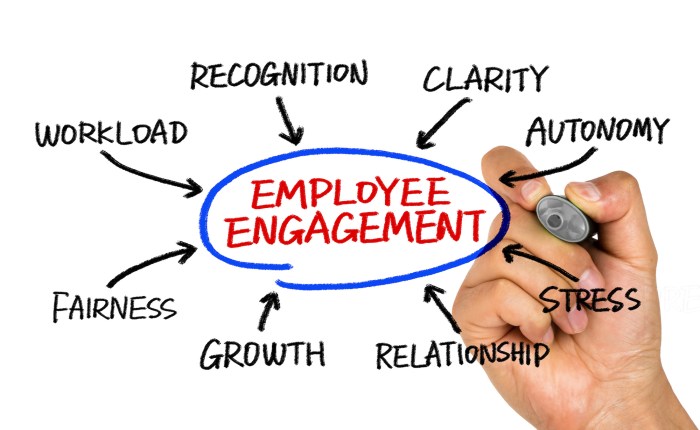
Effective communication and a robust feedback mechanism are cornerstones of a highly engaged workforce. Open dialogue fosters trust, transparency, and a shared understanding of goals, ultimately boosting employee morale and productivity. A well-structured approach to communication and feedback ensures that everyone feels heard, valued, and actively involved in the organization’s success.
Creating a culture of open communication requires a multifaceted strategy. This involves establishing clear communication channels, encouraging regular feedback, and actively listening to employee concerns. This section will Artikel practical steps to implement such a strategy, focusing on both top-down and bottom-up communication flows, and establishing a formal feedback mechanism.
Communication Plan
A comprehensive communication plan ensures consistent and transparent information flow throughout the organization. This plan should incorporate both top-down and bottom-up communication strategies. Top-down communication, originating from leadership, keeps employees informed about company-wide updates, strategic initiatives, and performance metrics. Bottom-up communication, initiated by employees, provides valuable feedback and insights from the frontline. Effective communication also utilizes a variety of channels to reach diverse employee groups and cater to different communication preferences.
Structured Feedback Mechanism
A structured feedback mechanism provides employees with formal avenues to express concerns, suggestions, and ideas. This system should be easily accessible, transparent, and ensure that feedback is addressed promptly and seriously. The following table Artikels a potential framework:
| Feedback Channel | Frequency | Target Audience | Example Questions |
|---|---|---|---|
| Employee Suggestion Box (physical or online) | Ongoing | All Employees | What processes could be improved? What challenges are you facing? What innovative ideas do you have? |
| Regular Team Meetings | Weekly/Bi-weekly | Team Members | What are our team’s strengths and weaknesses? What can we do better? What support do you need? |
| Annual Employee Surveys | Annually | All Employees | How satisfied are you with your role? How engaged do you feel? What can we do to improve your experience? |
| Open-Door Policy with Managers | Ongoing | All Employees | Do you have any concerns you’d like to discuss? Is there anything I can help you with? |
Performance Reviews as a Dialogue
Regular performance reviews should not be viewed as a one-way assessment but rather as an opportunity for open dialogue and mutual understanding. This collaborative approach focuses on achieving shared goals, identifying areas for improvement, and celebrating successes. The emphasis should be on constructive feedback, providing specific examples and focusing on behaviors and outcomes rather than personal attributes. The review process should allow employees to share their perspectives, aspirations, and concerns, fostering a stronger working relationship between the employee and their manager.
This approach contributes significantly to improving employee engagement by demonstrating genuine interest in their professional growth and well-being.
Fostering a Positive Work Environment
A positive work environment is crucial for driving employee engagement. It’s more than just a pleasant office; it’s a culture of respect, support, and shared purpose that motivates employees to contribute their best work. This positive atmosphere directly impacts productivity, retention, and overall organizational success. Creating such an environment requires a multifaceted approach, focusing on key factors that contribute to a supportive and fulfilling workplace experience.A positive and supportive workplace culture is built on several key pillars.
These factors interact and reinforce each other to create a holistic environment where employees feel valued and motivated.
Key Factors Contributing to a Positive Workplace Culture
Several interconnected factors contribute significantly to a positive and supportive workplace culture. These elements, when effectively implemented, create a synergistic effect, fostering a more engaged and productive workforce. Ignoring any of these elements can undermine the overall positive impact.
- Respectful Communication: Open, honest, and respectful communication is paramount. This includes active listening, clear expectations, and constructive feedback. A culture where employees feel comfortable expressing their opinions and concerns without fear of reprisal is essential.
- Recognition and Appreciation: Regularly acknowledging and appreciating employees’ contributions, both big and small, significantly boosts morale and engagement. This can take many forms, from verbal praise to formal awards and bonuses. It demonstrates that their efforts are valued and noticed.
- Opportunities for Growth and Development: Providing employees with opportunities for professional development, such as training programs, mentorship opportunities, and challenging assignments, demonstrates a commitment to their future and fosters a sense of investment in their careers within the organization.
- Work-Life Balance: Respecting employees’ personal lives and promoting a healthy work-life balance is critical. This might include flexible work arrangements, generous vacation time, and a culture that discourages overwork.
- Fair and Equitable Treatment: Ensuring fair and equitable treatment for all employees, regardless of their background or position, is fundamental to building trust and fostering a sense of belonging. This includes equal opportunities for advancement and a transparent compensation system.
Leadership Styles and Their Impact on Employee Engagement
Different leadership styles significantly impact employee engagement. Understanding these styles and their effects is crucial for cultivating a positive work environment. Effective leaders adapt their approach based on the specific needs of their team and the organizational context.
- Transformational Leadership: This style inspires and motivates employees by setting a clear vision and fostering a sense of purpose. Transformational leaders empower their teams, encourage creativity, and provide ongoing support and mentorship. Studies consistently show that this style is highly correlated with increased employee engagement and organizational performance.
- Transactional Leadership: This style focuses on setting clear goals and expectations, offering rewards for performance and providing corrective feedback when necessary. While effective in certain situations, it may not foster the same level of intrinsic motivation and engagement as transformational leadership. This approach works best in structured environments with clearly defined tasks.
- Servant Leadership: This style prioritizes the needs of the team and focuses on empowering and supporting employees to achieve their full potential. Servant leaders create a culture of trust and collaboration, which significantly contributes to employee engagement and satisfaction. This approach is particularly effective in fostering a positive and supportive work environment.
Promoting Teamwork, Collaboration, and Community
Fostering teamwork, collaboration, and a sense of community is vital for a positive work environment. Strategies for achieving this involve creating opportunities for interaction, building trust, and establishing shared goals.
Effective strategies for building teamwork include team-building activities, cross-functional projects, and regular team meetings. These initiatives facilitate communication, collaboration, and a sense of shared purpose. For example, a company could organize an annual team retreat focused on collaborative problem-solving or volunteer work. This fosters camaraderie and strengthens team bonds outside the typical work environment. Another example would be implementing regular “lunch and learns” where employees from different departments can share their expertise and knowledge, encouraging cross-functional collaboration and communication.
Providing Opportunities for Growth and Development
Investing in employee growth and development is crucial for boosting engagement. When employees feel valued and see opportunities for advancement, their commitment and productivity naturally increase. A comprehensive approach encompassing training, mentorship, and clear career paths fosters a culture of continuous learning and professional fulfillment.Providing a range of development opportunities demonstrates a commitment to employee success and strengthens the employer-employee relationship.
This investment pays dividends in improved skills, increased retention, and a more engaged workforce.
Professional Development Opportunities
A structured approach to professional development is essential. This should include a variety of options to cater to diverse learning styles and career aspirations. Offering a combination of internal and external training programs, mentorship opportunities, and clearly defined career pathways ensures that employees have access to the resources they need to advance their careers.
- Training Programs: Offer a diverse range of training, including online courses, workshops, conferences, and on-the-job training. These programs should align with both individual employee goals and organizational needs. For example, a company might offer technical skills training for software engineers, leadership development programs for managers, or communication skills training for all employees.
- Mentorship Schemes: Pair less experienced employees with senior colleagues who can provide guidance, support, and valuable insights. A well-structured mentorship program can significantly accelerate professional growth and build strong relationships within the organization. Mentors can offer advice on career navigation, skill development, and navigating workplace challenges.
- Career Advancement Pathways: Clearly define career progression routes within the organization. This provides employees with a roadmap for their future and motivates them to strive for advancement. These pathways should include specific criteria for promotion and clearly Artikel the skills and experience required for each level. Regular performance reviews should include discussions about career goals and development plans.
Employee Recognition and Reward Programs
Effective recognition and reward programs are vital for boosting morale and motivating employees. These programs should be fair, transparent, and aligned with company values. They should celebrate both individual and team achievements, acknowledging contributions large and small.
- Formal Recognition Programs: Implement a system for formally recognizing outstanding performance, such as employee-of-the-month awards, performance bonuses, or promotions. These awards should be publicized and celebrated to reinforce positive behaviors.
- Informal Recognition: Encourage managers and colleagues to provide regular verbal praise and appreciation for good work. Simple gestures like a thank-you note or a public acknowledgment of accomplishments can have a significant impact on morale.
- Reward Systems: Offer tangible rewards for achieving goals, such as gift cards, extra vacation time, or opportunities for professional development. The rewards should be tailored to the individual’s preferences and should be seen as valuable and meaningful.
Empowering Employees Through Delegation and Autonomy
Empowering employees by delegating responsibilities and providing autonomy significantly increases engagement. When employees feel trusted and are given the freedom to make decisions, they are more likely to be motivated and committed to their work.
Delegation should be approached strategically. Tasks should be assigned based on employee skills and interests, ensuring that employees are challenged but not overwhelmed. Providing regular feedback and support is essential to ensure success. Autonomy should be granted incrementally, starting with smaller tasks and gradually increasing responsibility as employees demonstrate competence and initiative. This fosters a sense of ownership and accountability, leading to greater job satisfaction and improved performance.
Enhancing Work-Life Balance
A healthy work-life balance is crucial for employee well-being and, consequently, their engagement and productivity. Ignoring this aspect can lead to burnout, decreased morale, and ultimately, higher turnover rates. A proactive approach to fostering a balanced lifestyle is not just beneficial for employees but also contributes to a more productive and engaged workforce for the company.Implementing strategies to support work-life balance demonstrates a company’s commitment to employee well-being, fostering loyalty and a positive work environment.
This section explores practical steps organizations can take to create a culture that values and supports this crucial aspect of employee life.
Flexible Work Arrangements
Offering flexible work arrangements, such as remote work options, flexible hours, and compressed workweeks, can significantly improve employees’ ability to manage their personal and professional lives. This flexibility allows employees to better accommodate personal appointments, family responsibilities, and other commitments, reducing stress and increasing their sense of control over their time. For example, a company allowing employees to work from home two days a week can reduce commuting stress and allow for more time with family.
Similarly, flexible hours can enable parents to better manage school pick-ups and drop-offs. This demonstrably reduces absenteeism and improves overall job satisfaction.
Generous Leave Policies and Wellness Programs
Comprehensive leave policies, including generous vacation time, sick leave, and parental leave, are essential components of a supportive work-life balance program. These policies provide employees with the time they need to recharge, attend to personal matters, and avoid burnout. Complementing these policies with wellness programs – such as on-site fitness facilities, subsidized gym memberships, or mindfulness workshops – further demonstrates a commitment to employee well-being.
For instance, a company offering a subsidized gym membership might see a decrease in health-related absences and an increase in employee energy levels. Similarly, mindfulness workshops can equip employees with stress management techniques, enhancing their overall well-being.
Employee Assistance Programs (EAPs)
Employee Assistance Programs (EAPs) offer confidential counseling and support services to employees facing personal or professional challenges. These programs can address issues such as stress, anxiety, depression, financial difficulties, or family problems. By providing access to professional help, EAPs can significantly improve employees’ mental and emotional health, leading to increased engagement and productivity. For instance, an employee struggling with a family crisis might utilize the EAP to receive guidance and support, enabling them to better manage their work responsibilities and prevent burnout.
The confidentiality offered by EAPs ensures employees feel comfortable seeking help without fear of judgment or negative repercussions.
Impact of Work-Life Balance on Employee Engagement and Productivity
- Reduced stress and burnout: A balanced work-life allows employees to recharge, preventing burnout and improving overall well-being.
- Increased job satisfaction and morale: Employees who feel supported in managing their personal lives are more likely to be satisfied with their jobs and more engaged in their work.
- Improved productivity and efficiency: When employees are less stressed and more balanced, they tend to be more focused and productive during work hours.
- Reduced absenteeism and turnover: Employees with a healthy work-life balance are less likely to take sick days or leave their jobs due to stress or burnout.
- Enhanced creativity and innovation: A rested and rejuvenated workforce is more likely to contribute creative ideas and solutions.
Improving employee engagement is not a one-size-fits-all solution; it’s an ongoing journey requiring consistent effort and adaptation. By implementing the strategies Artikeld in this guide – from enhancing communication and fostering a positive work environment to providing opportunities for growth and promoting work-life balance – you can cultivate a workplace where employees feel valued, respected, and genuinely invested in their work.
The result? Increased productivity, reduced turnover, and a more thriving and successful organization. Remember, engaged employees are the cornerstone of a thriving business.
FAQ
What are some common signs of low employee engagement?
Increased absenteeism, high turnover rates, decreased productivity, lack of initiative, negative attitudes, and complaints are all indicators of low employee engagement.
How can I measure the ROI of employee engagement initiatives?
Track key metrics such as employee retention, productivity levels, customer satisfaction scores, and overall profitability. Compare these metrics before and after implementing engagement initiatives to assess the return on investment.
What if my employees don’t participate in engagement surveys?
Ensure anonymity and confidentiality. Clearly communicate the purpose of the survey and how the feedback will be used. Offer incentives for participation and consider using multiple methods for gathering feedback (e.g., focus groups, one-on-one interviews).
How do I deal with an employee who consistently displays disengagement?
Schedule a private meeting to understand their concerns. Actively listen, and explore potential solutions together. If the issue persists, consider providing additional support or training. In some cases, performance management processes may be necessary.


